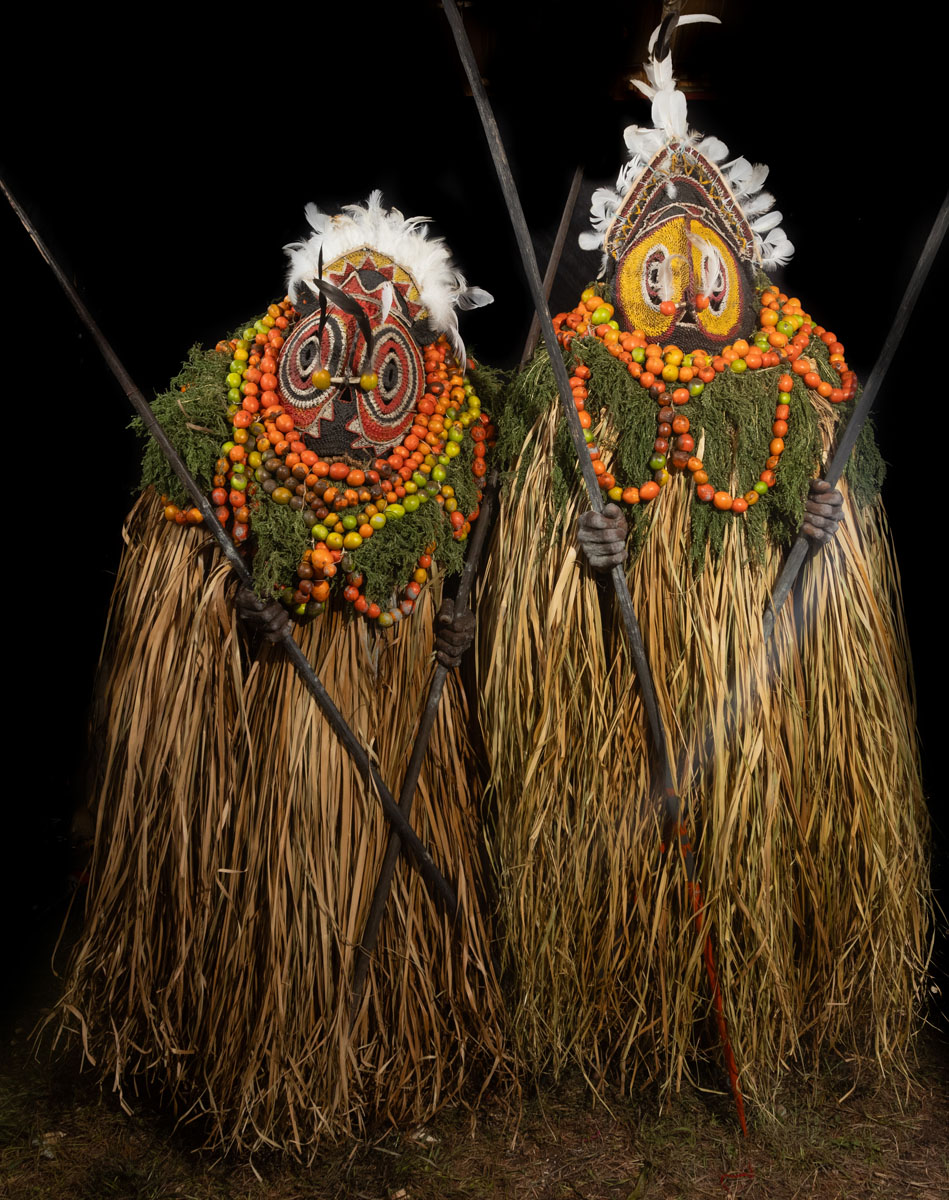


Crocodile Cults, Mt Hagen Festival & the Mountain Tribes: The Ultimate Papua New Guinea Expedition

End Date: 18 August 2027
Easy program
Minimum walking - Minimum Driving
Maximum 20 people
Starts in Goroka Airport
Stops in Mt Hagen Airport
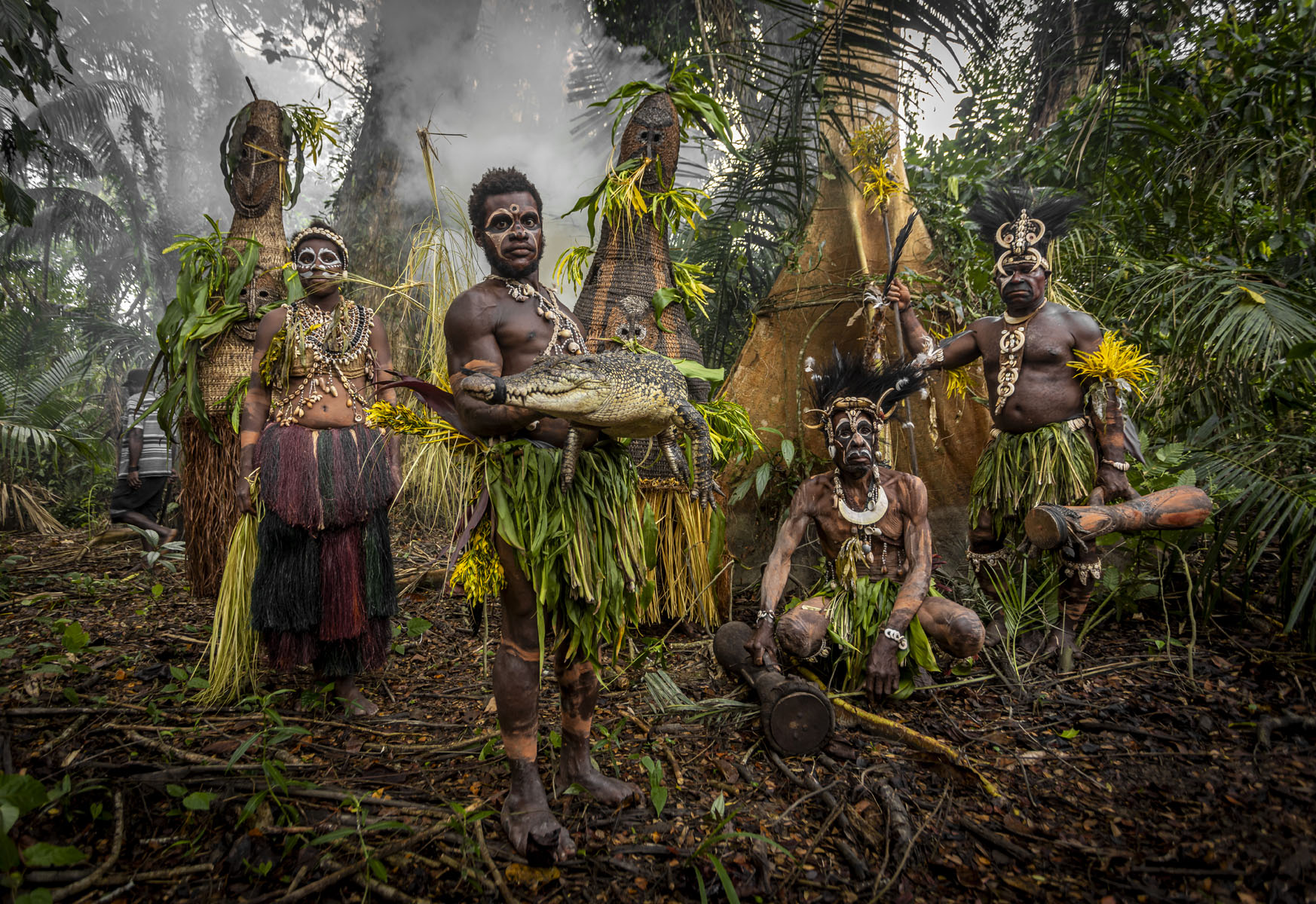
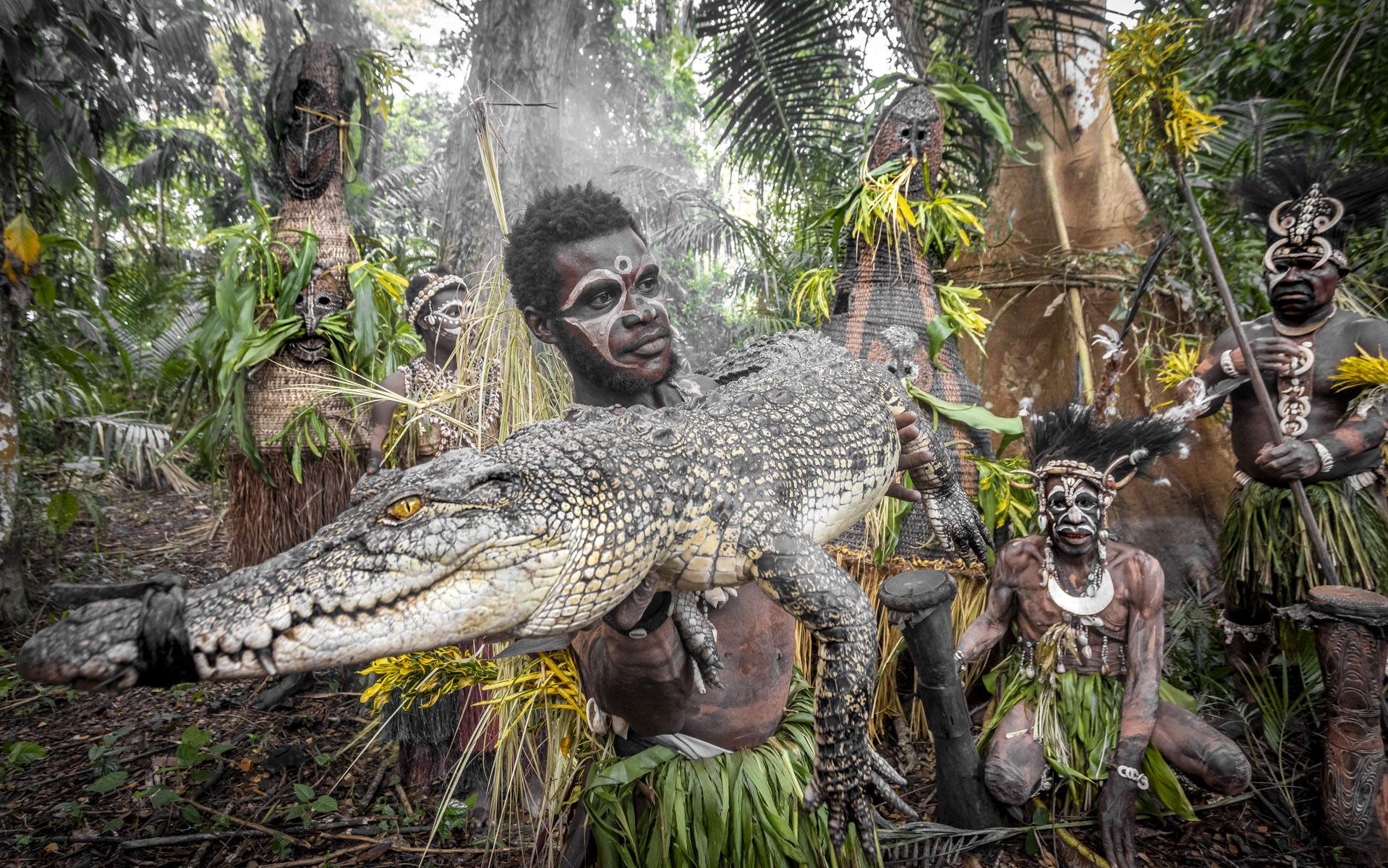
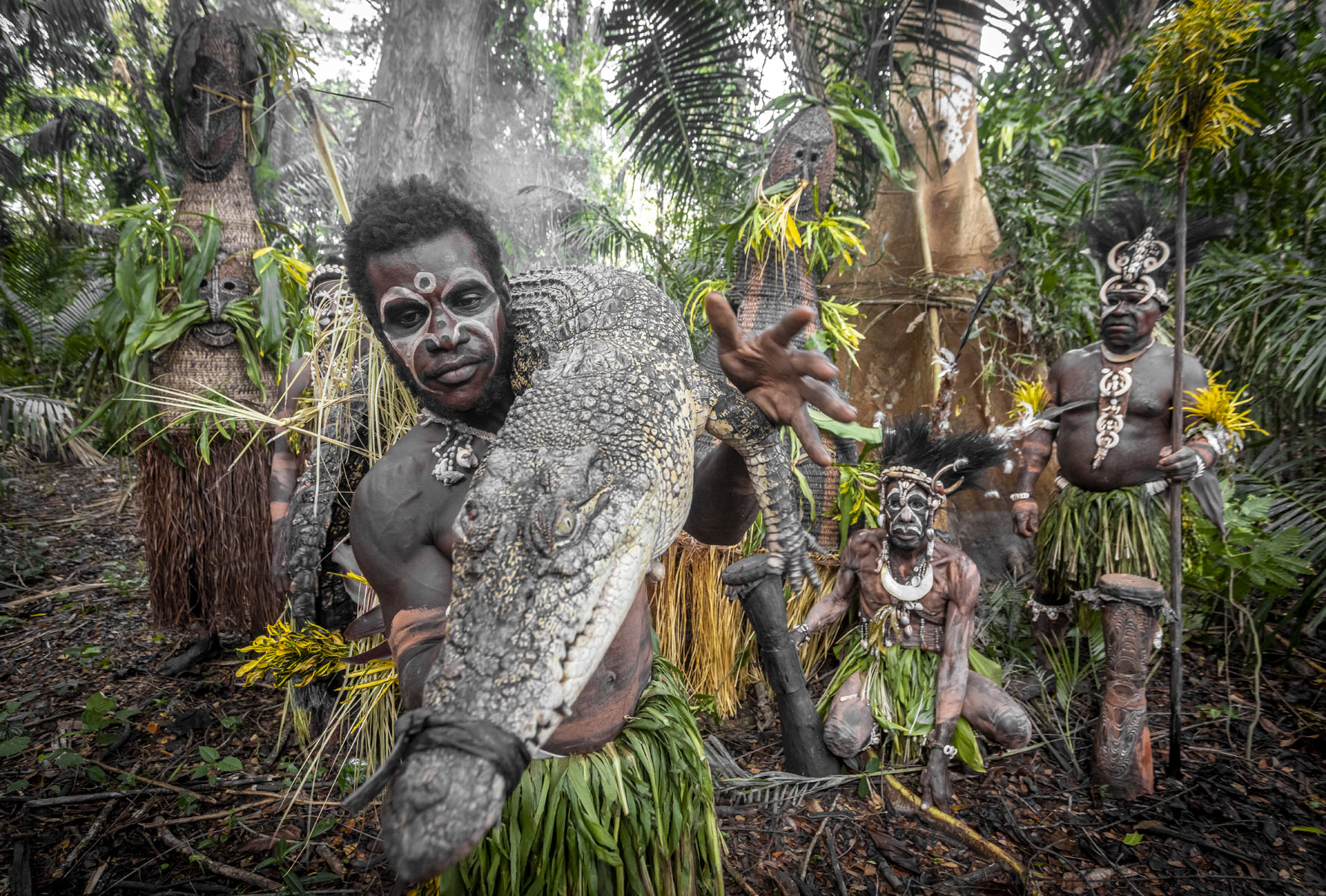
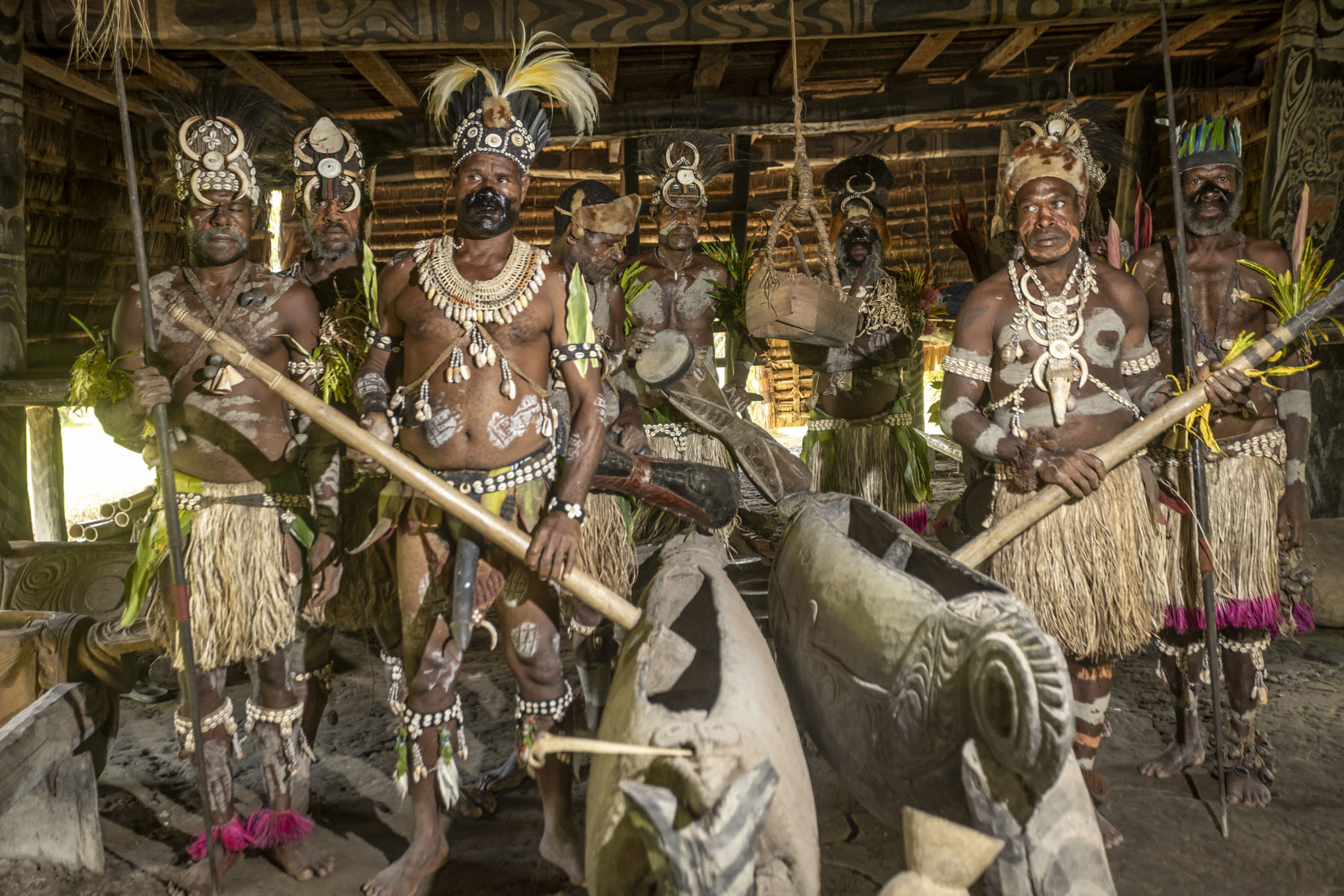
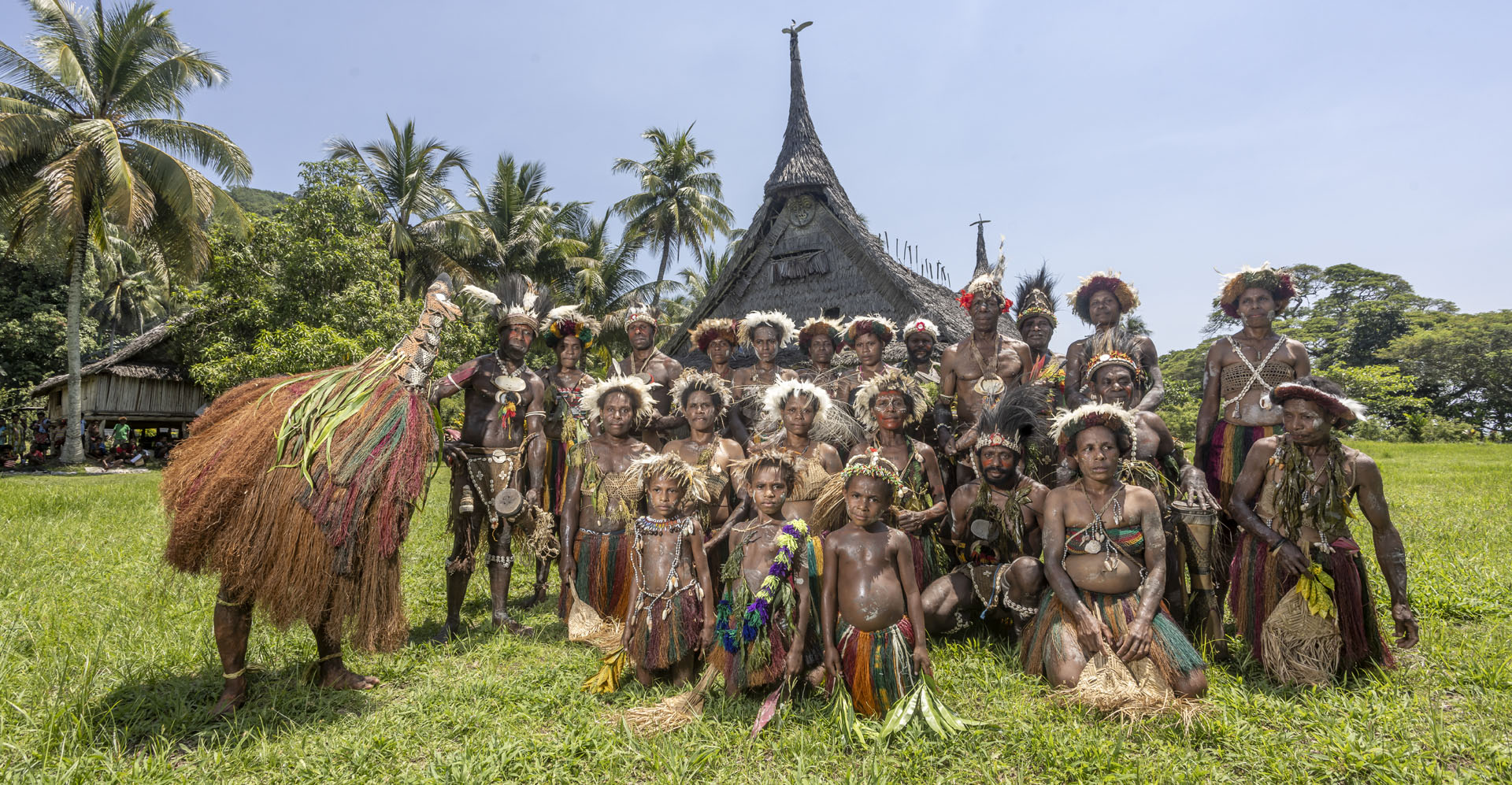
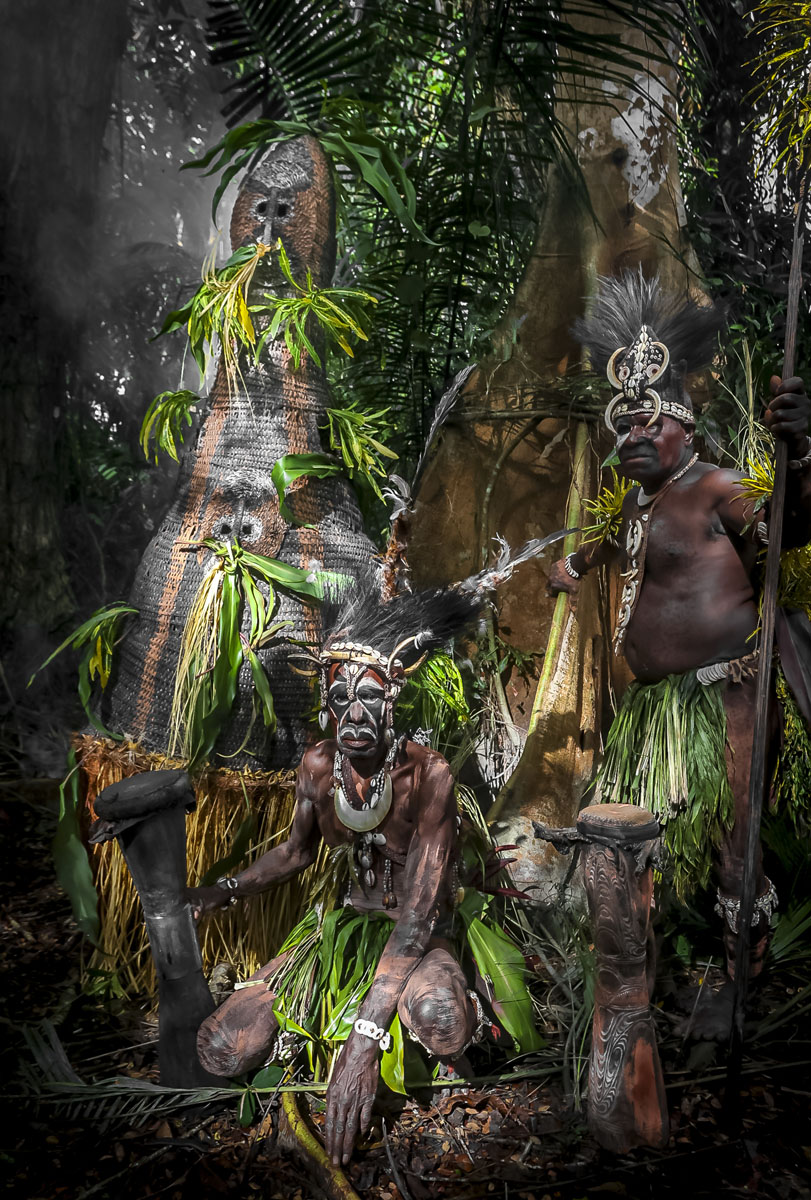
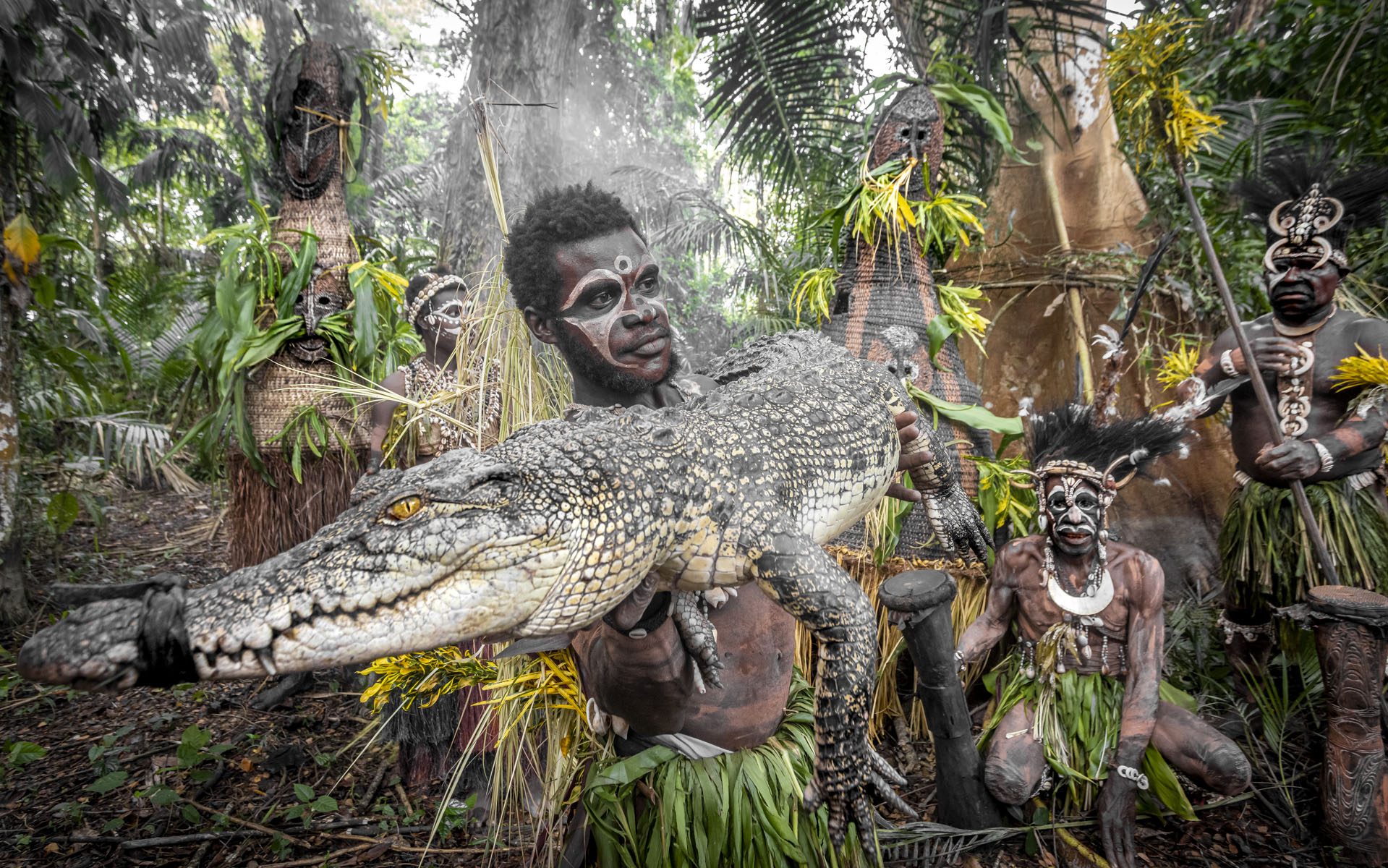
Journey deep into Papua New Guinea on a sixteen-day photography expedition linking the mysterious waterways of the Sepik River with the dramatic mountain cultures of the Highlands. Photograph crocodile initiates, scarified warriors, spirit houses, canoe races, Abelam artists, Skeleton dancers, Insect Hunters, Asaro Mudmen, and the spectacular Mount Hagen Cultural Show. Travel by river canoe, visit remote villages, and join private cultural performances arranged for meaningful access and exceptional photography. From intimate environmental portraits to festival scenes, this adventure reveals a world of ancestral traditions, living mythology, vibrant communities, and unforgettable encounters in one of Earth’s most culturally diverse destinations.
Witness Sacred Practices, Traditional Performances and Unique Festivals in Papua New Guinea's Highlands
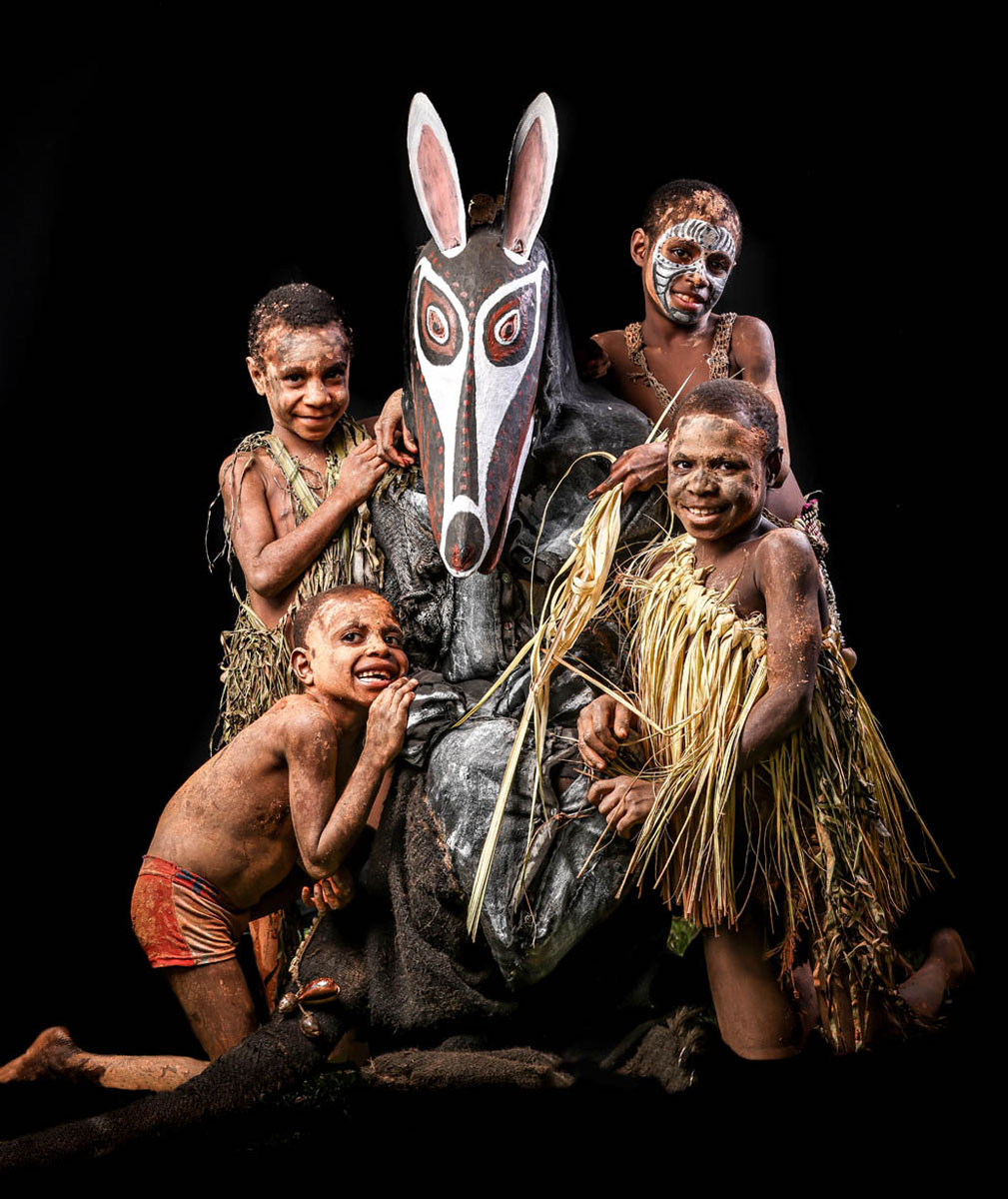
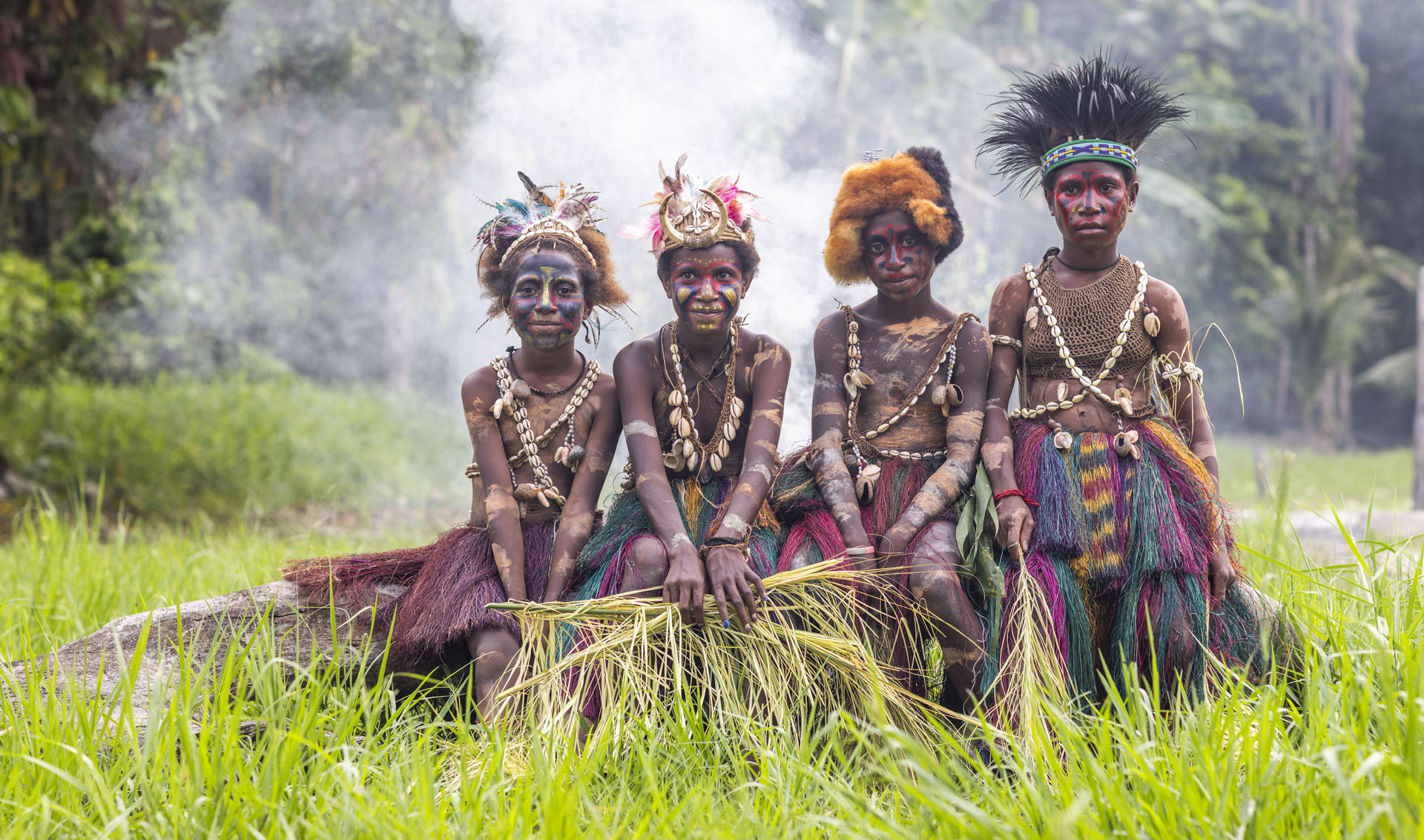
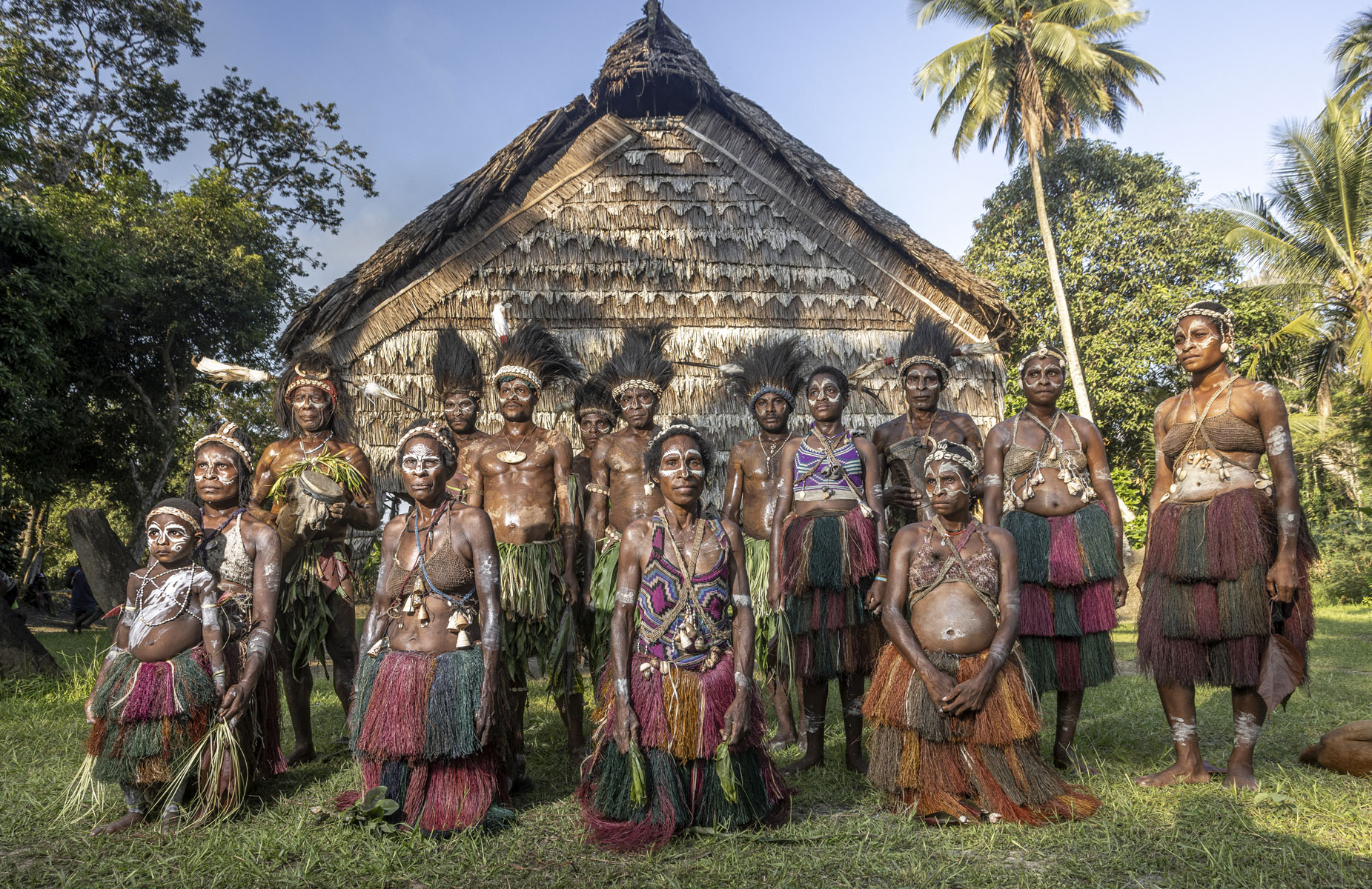
Your adventure begins in the highlands of Asaro, where the Mudmen will welcome you with a performance atop the sacred Gurupoka Mountain. Here, you’ll witness the dramatic Moko Moko Victory Dance, a powerful display of ancestral pride. Then, you will move on to Gimmesave Lodge, meeting the Burning Head of Gimmesave tribe, known for their dramatic fire rituals meant to protect banana plantations, and the Mini Mudmen, the young children of Asaro who carry forward their tribe’s rich heritage with their first experience of mask-making.
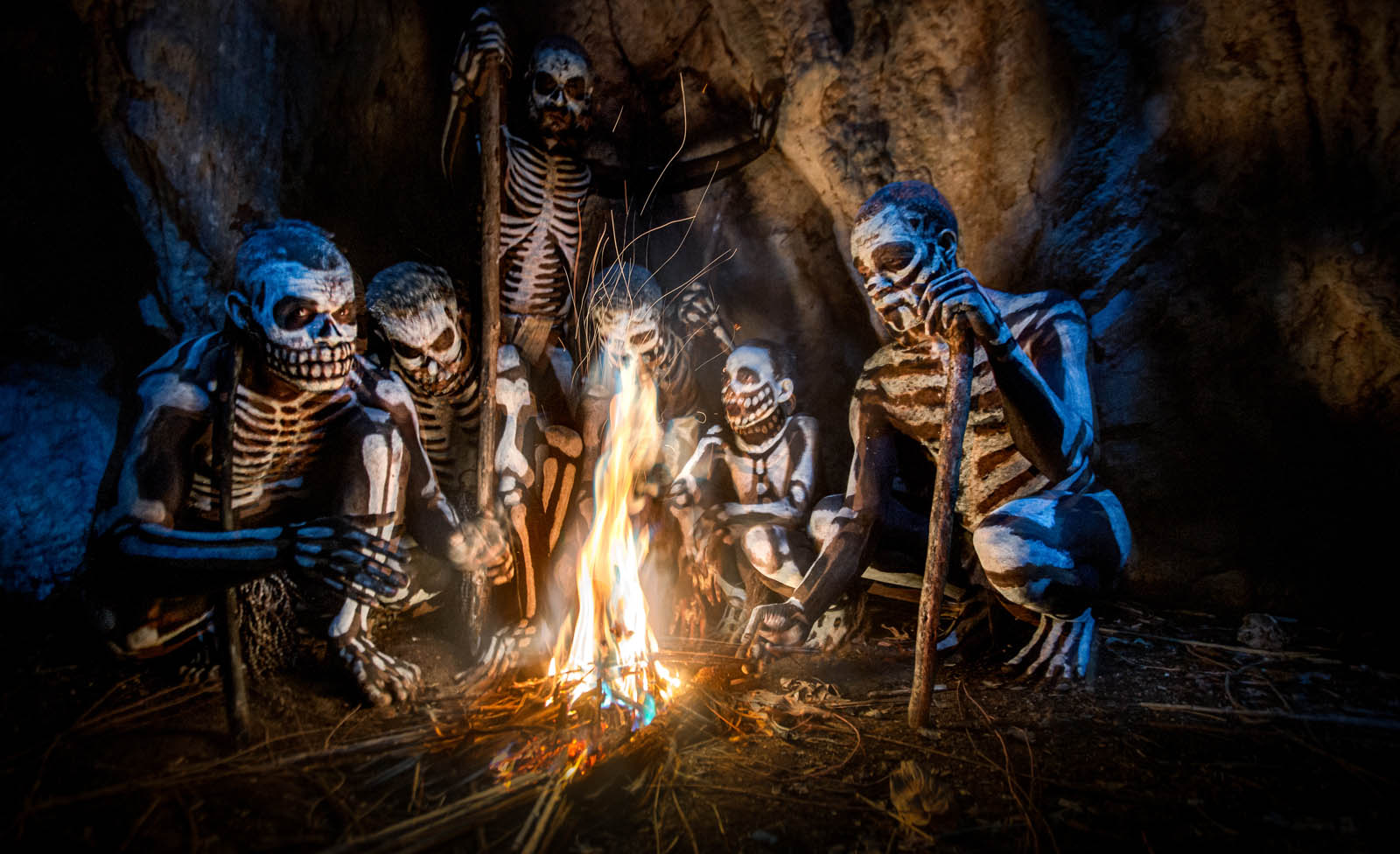
The journey deepens as you explore the remote Skeleton Lodge, home to tribes such as the Insect Hunters of Mindima, who use fire and their unique skills to hunt edible insects, and the Dust Shakers, widows who honor their lost loved ones by symbolically shaking the dust off their grief. Each tribe you encounter offers its own perspective on life, love, and spirituality—stories passed down through generations, woven into the very fabric of their existence.
Culminating in the celebrated Mt. Hagen Show, one of Papua New Guinea’s most iconic events, this trip brings you face-to-face with the nation’s cultural diversity. Over two exhilarating days, you will witness the most vibrant dance performances, musical displays, and mesmerizing rituals performed by tribes from across the region. From the Hagen to the Fayu, Melpa, and Kewa tribes, the Mt. Hagen Show is a riot of color and sound, offering an unparalleled celebration of the tribal cultures that define this extraordinary land.
This is a journey of discovery, connection, and awe—a chance to witness the beauty of Papua New Guinea through the eyes of its people.
Group Size
Maximum 20 Guests
Experience | Difficulty
- Beginner, amateur, enthusiast and semi-pro photographers
- DSLR, mirrorless, compact or iPhone cameras
- Easy walking and no hard treks
- Travel by car or minibus
Weather | Sun
In August, Goroka and Mount Hagen, both located in the highlands of Papua New Guinea, experience cool temperatures with an average high of around 21°C (70°F) and an average low of around 12°C (54°F). The region is known for its misty and foggy weather, especially in the early morning and evening, with occasional rainfall.
- Start: 03 Augest 2027 Wewak airport – PNG
- Flight: August (Wewak To MT. Hagen)
- END: 18 August 2027 – Goroka To POM.
- Travel, landscape, and mostly ethnic tribes and people photography
- Professional photographer | guide
- Maximum 20 Guests
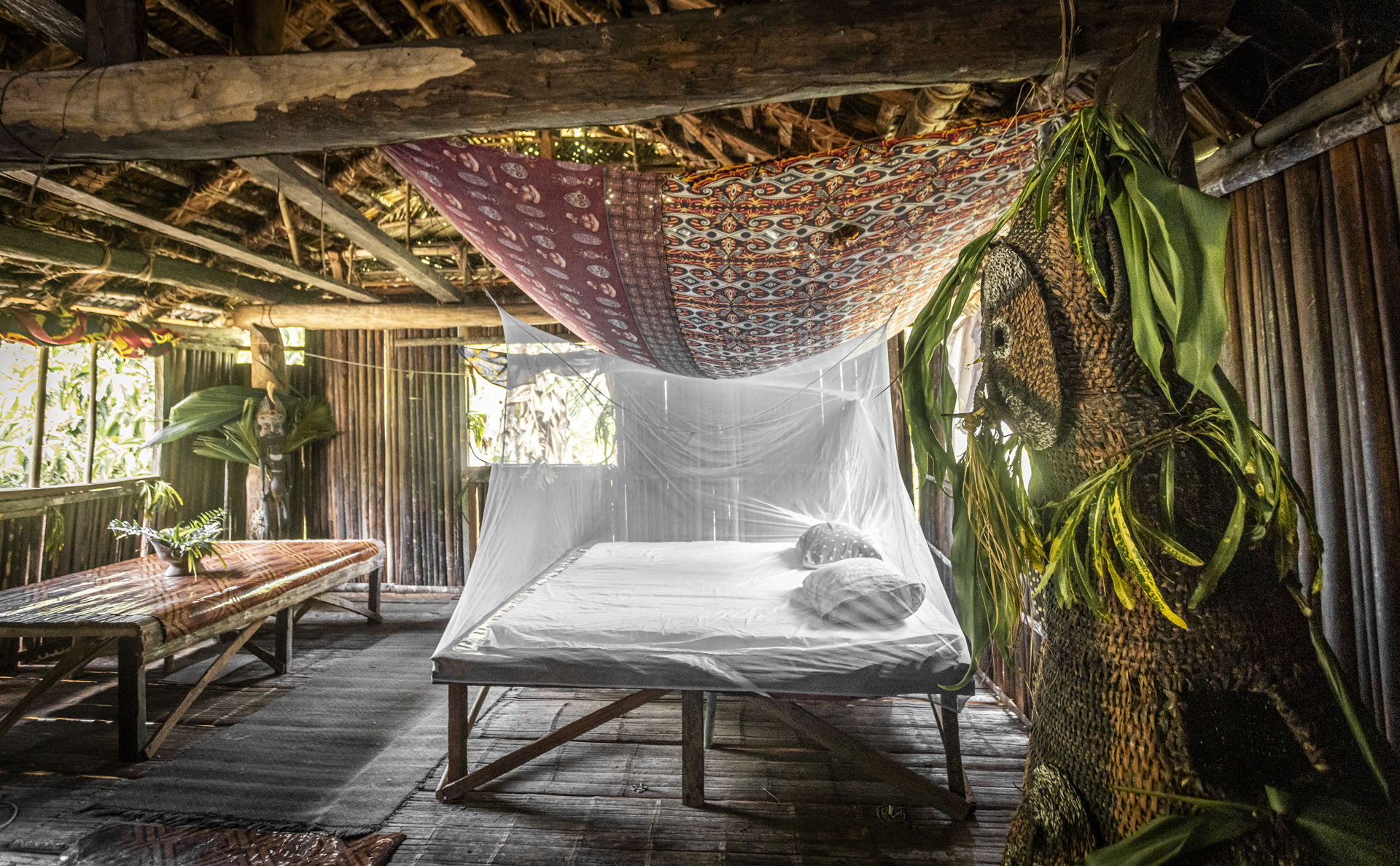
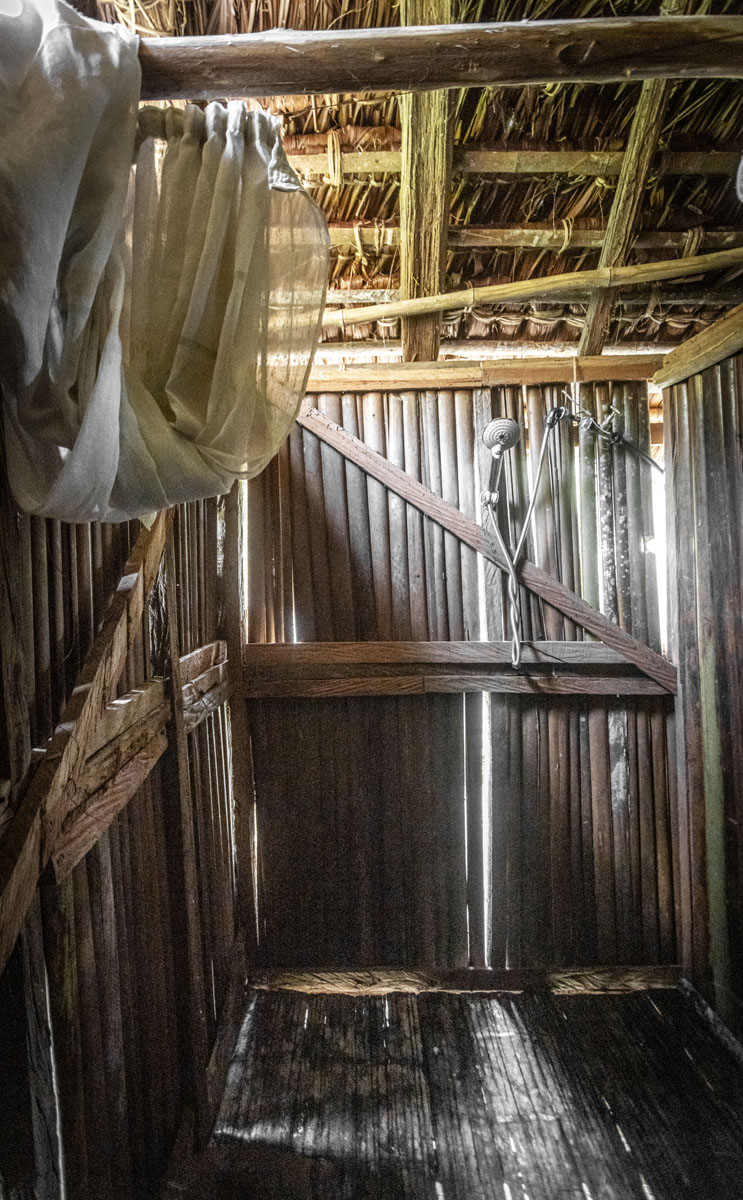
- Eco lodges (Asaro Mudmen, Skeleton eco lodges, with private shower and toilet) – Gimmesave and Waterfall are individual rooms with shared toilets and showers.
- Breakfasts – Lunch and dinner during the trip.
- Fees for more than 80 performers – Traditional dressing
- Water bottles
- entry to all three festivals
- Security officers
- National park permits
- Local transportation
Tribes you will see on this trip.
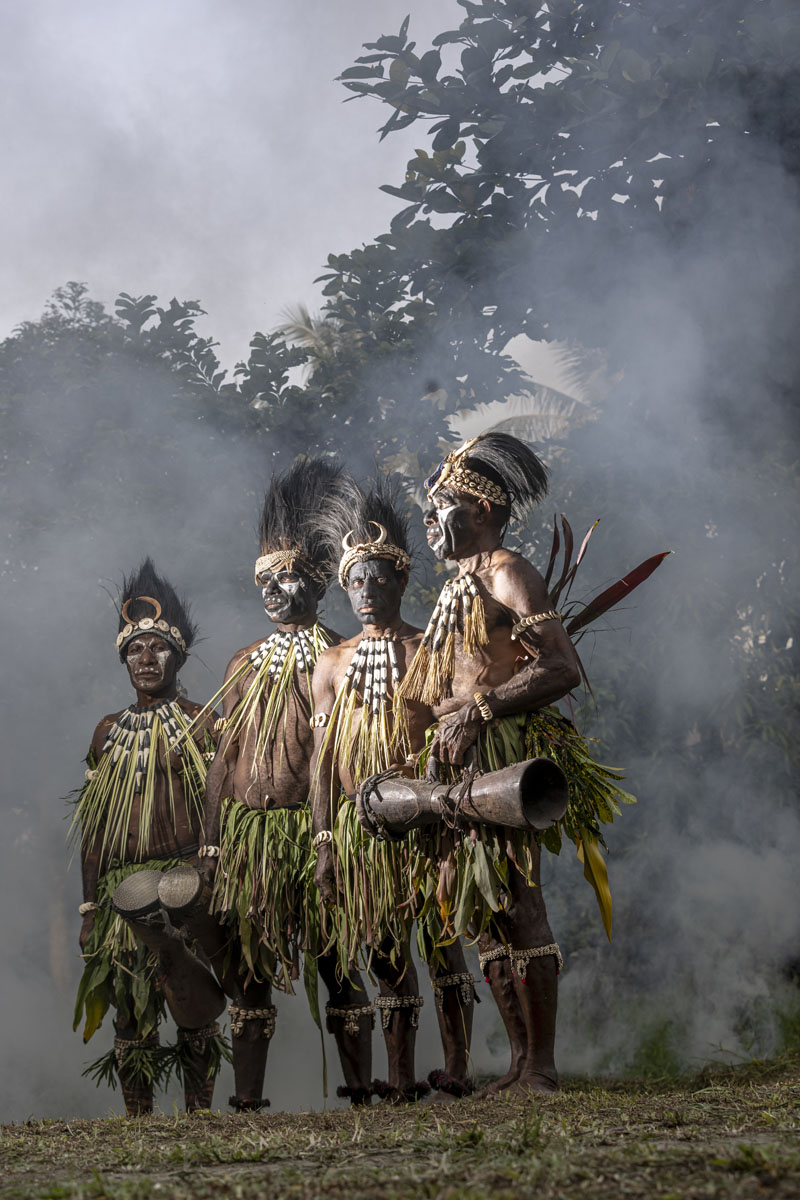
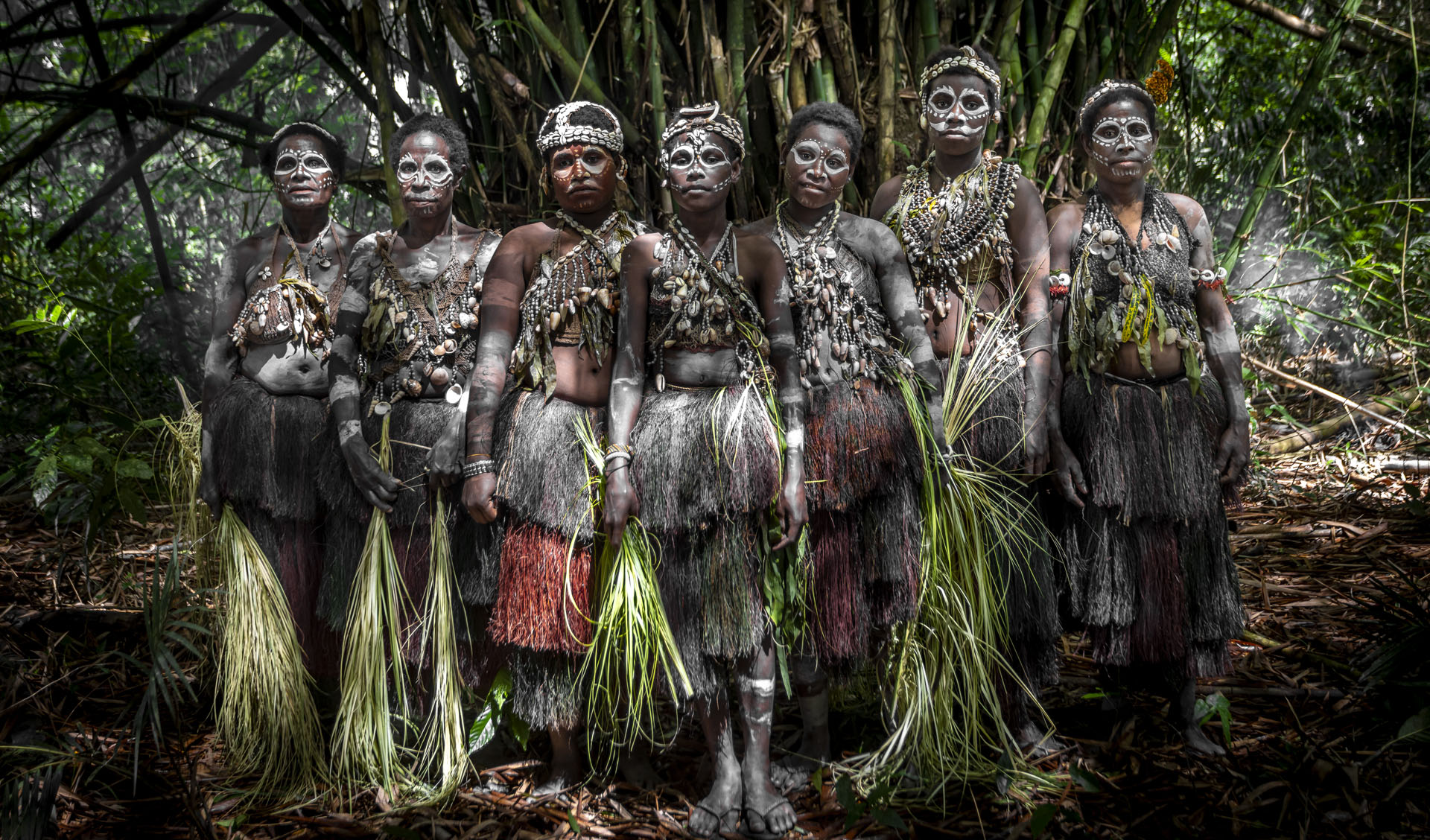
Asaro Mudmen – Moko Moko Dance – Widow ceremony – Gimisave Arunumuna Tribe Women Group – Burning heads of Gimisave – Yangpela Asaro Mudboys – Bere Tribe – Skeleton Tribe – Narku dust Walkers aka The Ash Kondai Pia – The Insect Hunters of Mindima – Bird spirits of the Wii Towai Waterfall – Voice of Bird of Paradise – Towa Rocks String Band – Widowism – Kids fighting re-enactment – Tomamapre Gapabulko Girls – Sinamuglae – Black Bird of Paradise – Honey Bee Girls – Bow and Arrow Boys – Green Leaf Girls – Galmagaki Girls – Korma Boys – New Camp Mamas – Kopa Warai Tribe – Harwal Tribe – Black Eyes String Band – Kowane tribe


ITINERARY
From the crocodile-haunted waterways of the Sepik River to the feathered warriors of the Highlands, this sixteen-day expedition explores some of Papua New Guinea’s most extraordinary cultural landscapes. Designed for passionate and professional photographers, the journey combines major festivals, private performances, village encounters, environmental portraiture, and controlled lighting sessions using Godox flash systems.
The expedition includes three days at the Sepik Crocodile Festival from August 5–7 and two days at the Mount Hagen Cultural Show on August 14–15, 2027.
Fly north to Wewak, the coastal gateway to the Sepik River. After checking into the hotel, meet the expedition team, prepare photographic equipment, and join an evening briefing overlooking the Bismarck Sea. Those interested may visit the local market for an informal introduction to life on Papua New Guinea’s northern coast.
Meals: Dinner only
Overnight: Wewak
Travel inland through cocoa plantations, tropical forest, and small villages to Pagwi, where the road meets the Sepik River. Board motorised canoes and journey upstream past stilt houses, sago palms, fishing communities, and riverside markets, arriving at Ambunti in the warm light of late afternoon.
Overnight: Savanaunt Lodge
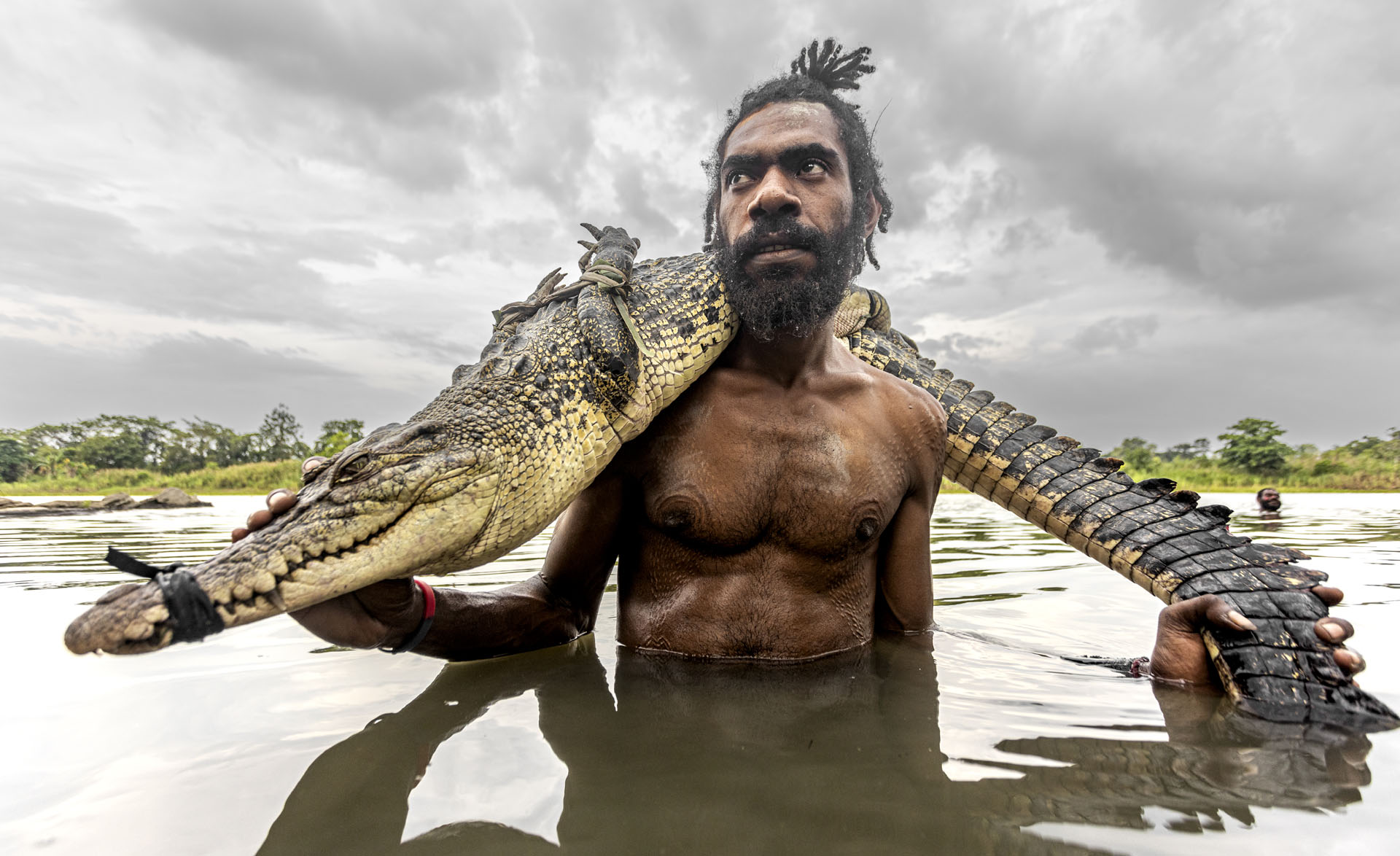
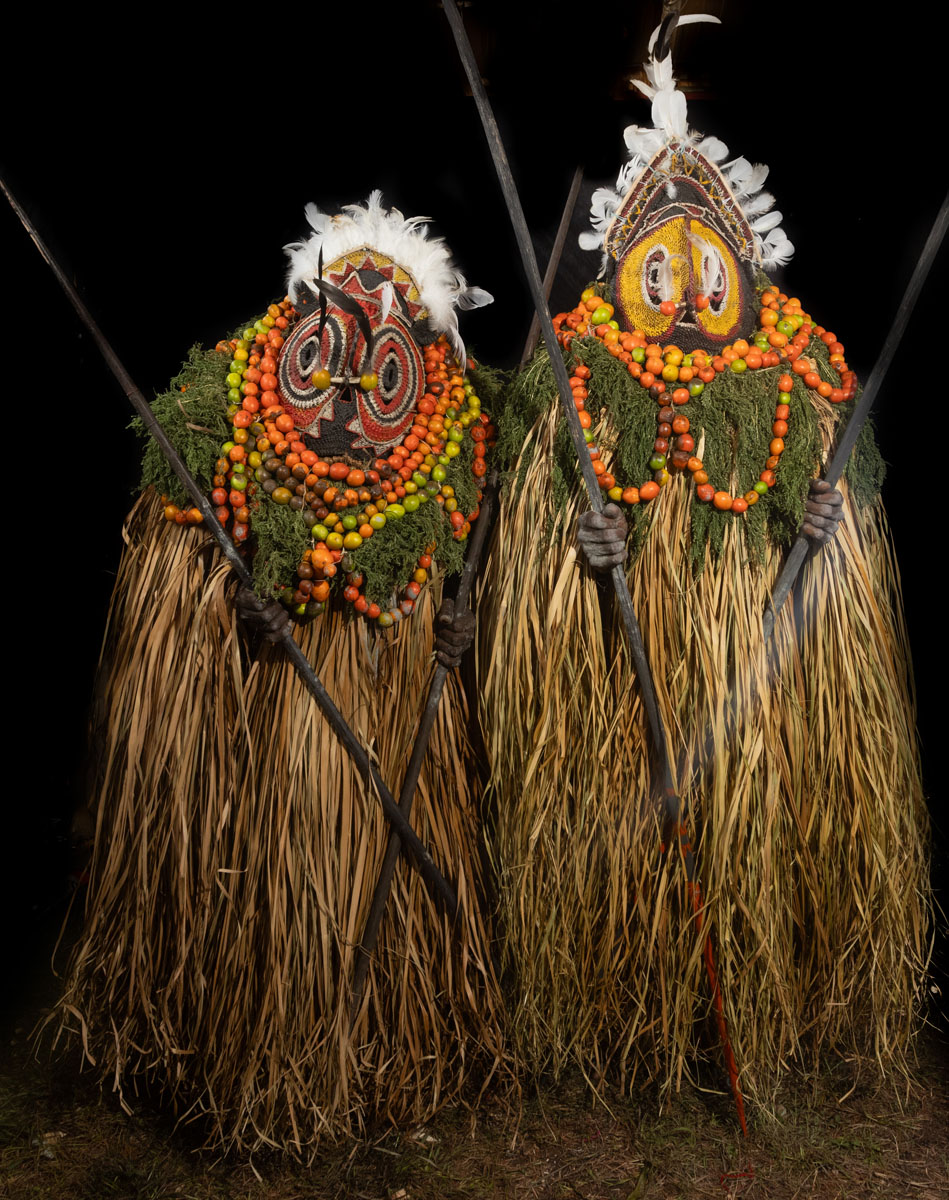
The Sepik Crocodile Festival begins as cultural groups arrive by canoe from communities across the Upper Sepik. The arena comes alive with drums, chanting, painted bodies, elaborate headdresses, and performances celebrating the river, ancestral spirits, and the crocodile’s central place in Sepik culture.
Overnight: Savanaunt Lodge
Today explores the spiritual relationship between the people of the Sepik and the crocodile. Scarified men display raised patterns resembling crocodile skin, while dances and stories recount traditions of strength, initiation, transformation, and ancestral protection. The day offers exceptional opportunities for portraits, cultural details, and documentary photography.
Overnight: Savanaunt Lodge
The festival reaches its climax with masked dancers, warrior groups, women’s performances, music, and dramatic river ceremonies. Decorated canoes race along the Sepik before cheering crowds, creating a vivid final day of movement, colour, celebration, and cultural pride.
Overnight: Savanaunt Lodge
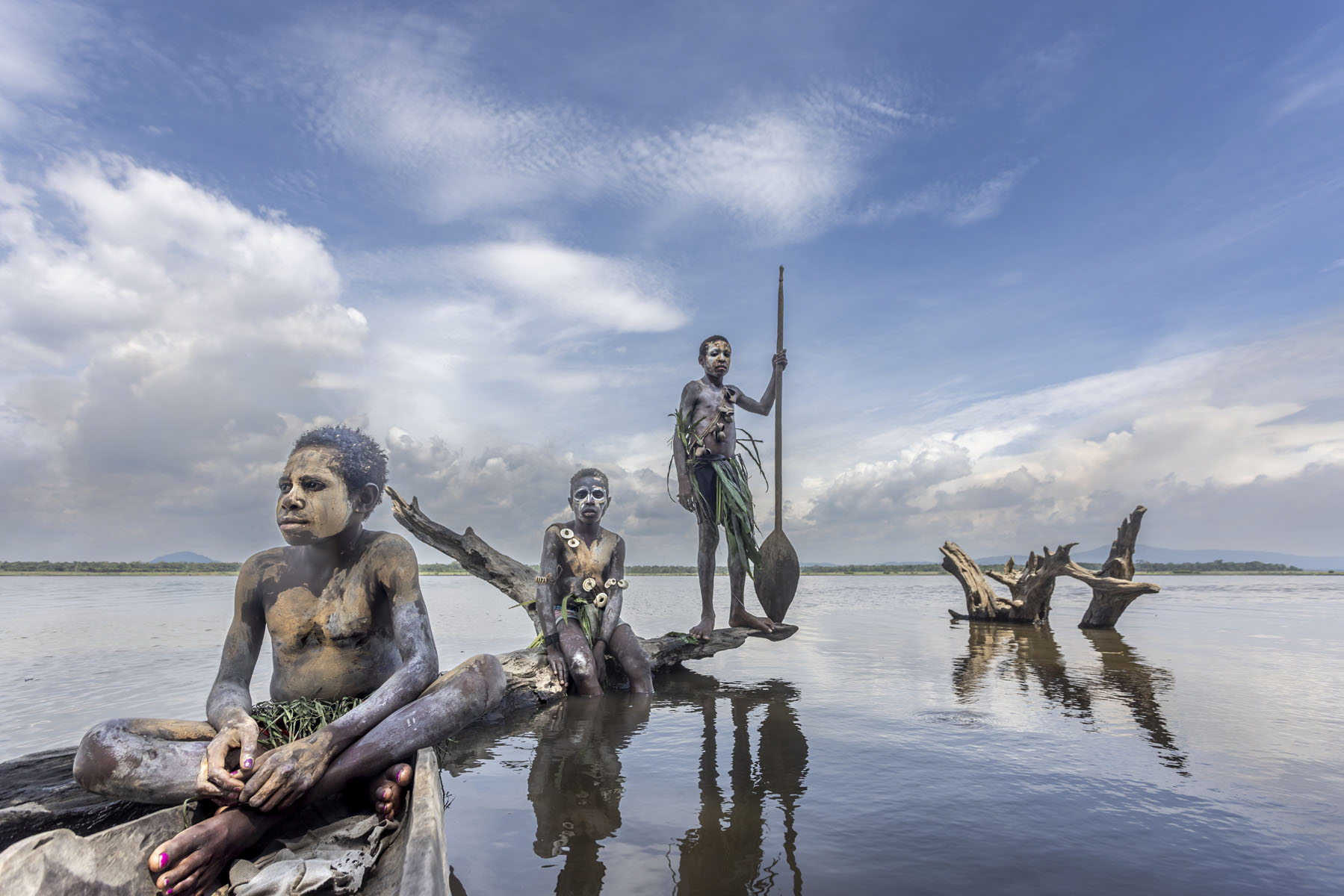
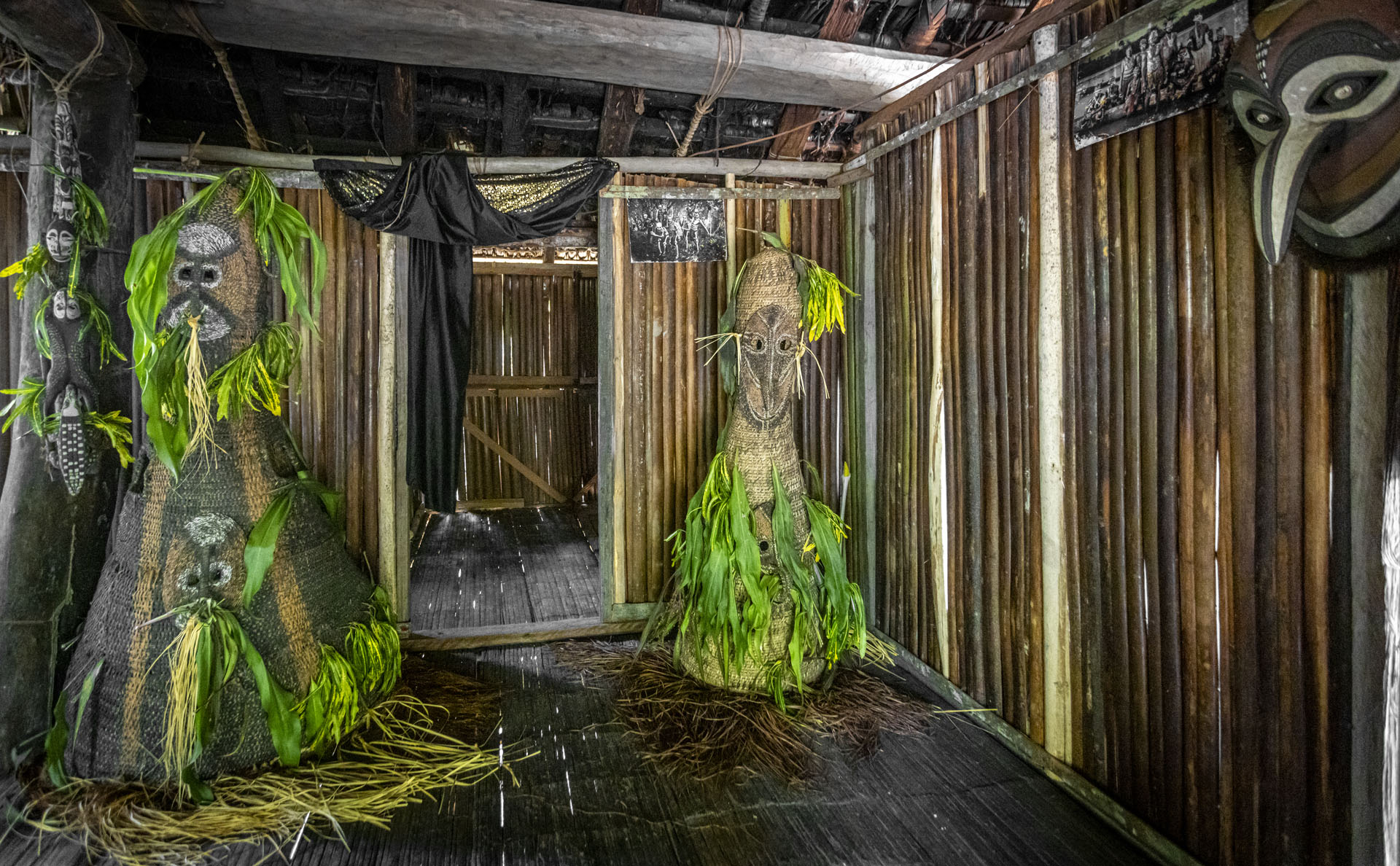
Travel by canoe into the quiet waterways of the Chambri Lakes, visiting communities known for pottery, fishing, carving, and ceremonial art. Photograph village life along the water and explore traditional spirit houses decorated with ancestral figures, masks, painted panels, and intricate woodwork.
Overnight: Savanaunt Lodge
A smaller community festival near the lodge offers intimate access to dancers, musicians, masked performers, and crocodile traditions. Away from the crowds of the main festival, we will work closely with selected groups and create controlled portraits beside village houses, forest clearings, and the riverbank.
Overnight: Savanaunt Lodge
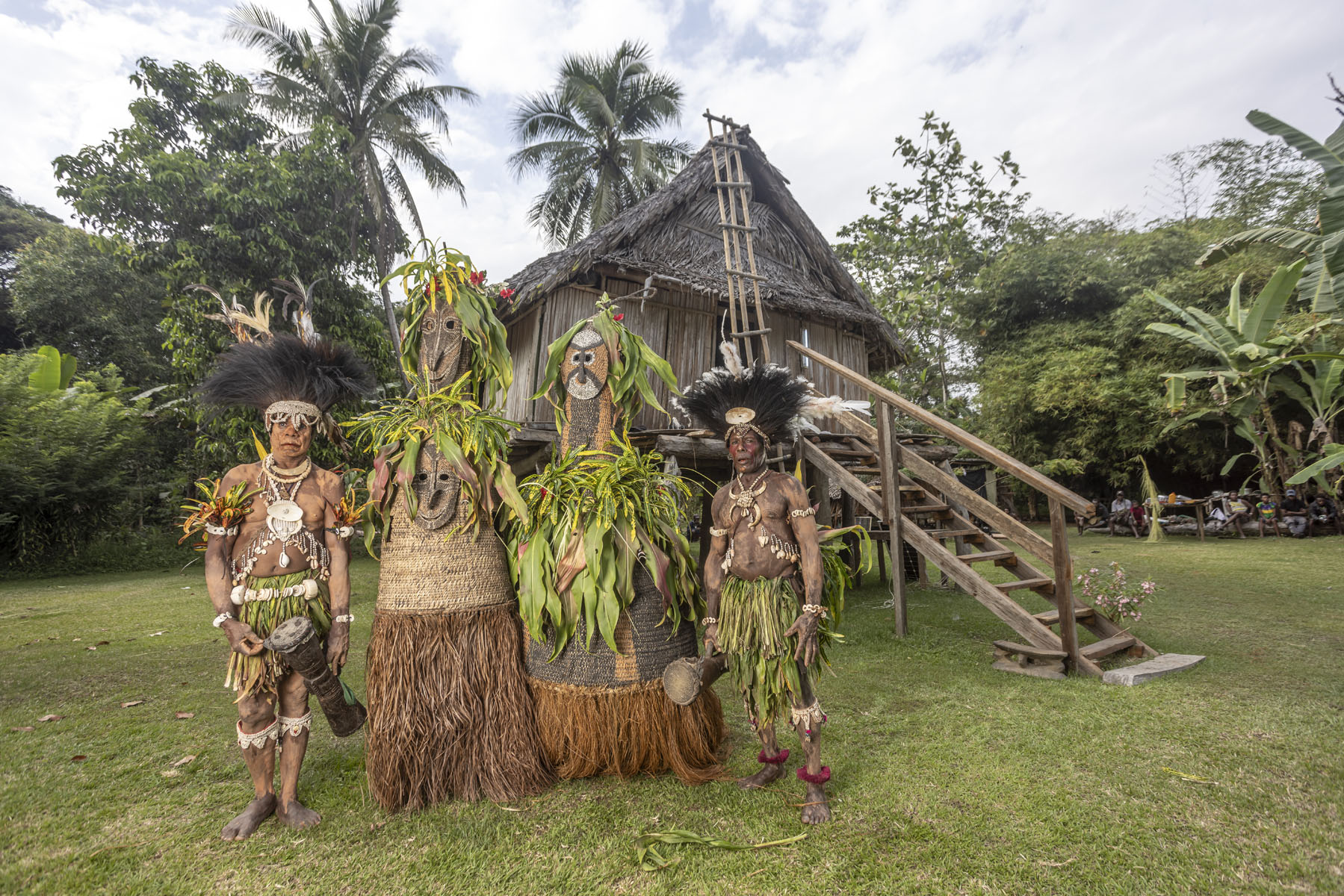
Leave the river country and travel toward Maprik, homeland of the Abelam people. A private cultural gathering introduces their monumental spirit houses, geometric body painting, woven ornaments, ceremonial traditions, and elaborate headdresses inspired by birds, plants, and ancestral beings.
Overnight: Maprik or Wewak
Fly to Port Moresby and spend the evening resting, backing up photographs, and preparing equipment for the Highlands section of the expedition.
Meals: Breakfast on the road; lunch not included
Overnight: Port Moresby or Mt Hagen if we have a direct flight. (to be confirmed later)
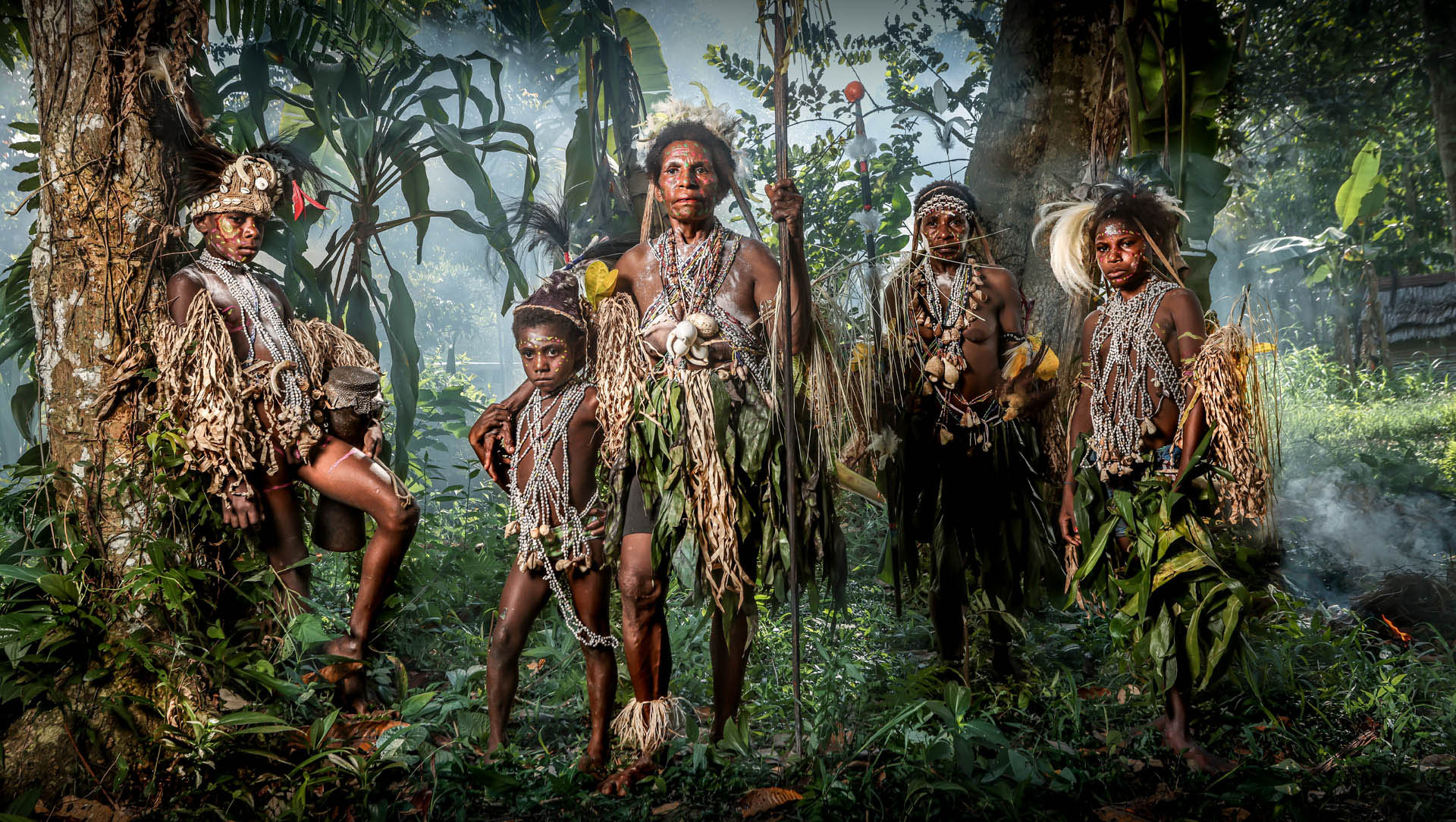
Fly to Mount Hagen and travel through the fertile Waghi Valley toward Wii Towai Waterfall Lodge. The afternoon introduces several colourful local groups, including the Honey Bee Girls, Green Leaf Dancers, and Gapabulko String Band, set against a landscape of mountain forest, waterfalls, and mist.
Meals: Dinner included; breakfast and lunch not included
Overnight: Wii Towai Waterfall Lodge
Spend the day with some of Chimbu Province’s most visually remarkable cultural groups. Photograph the black-and-white Skeleton Tribe, the imaginative Insect Hunters, and the powerful Dust Shakers, whose movements send clouds of earth into the air. A private portrait session will be arranged during the afternoon.
Overnight: Wii Towai Waterfall Lodge
Enter the extraordinary world of the Mount Hagen Cultural Show, where groups from across Papua New Guinea gather in a dazzling display of feathers, shells, paint, drums, and ceremonial dress. Arrive early to photograph performers preparing their faces, costumes, and headdresses before entering the arena.
Meals: Local festival lunch included
Overnight: Mount Hagen
Return for a second day at the showground, allowing more time to revisit favourite groups and develop deeper photographic stories. Beyond the grand performances, focus on quiet preparations, personal portraits, cultural details, and spontaneous encounters between hundreds of participants.
Meals: Local festival lunch included
Overnight: Mount Hagen
Travel east from Mount Hagen through the Waghi Valley and the dramatic mountain landscapes of Chimbu Province. Pass Kundiawa and continue along the Highlands Highway to the fertile Asaro Valley, arriving in the afternoon at the Asaro Mudmen Tribal Eco Lodge.
Meals: Breakfast, lunch and dinner
Overnight: Asaro Mudmen Tribal Eco Lodge
Begin with a private performance by the legendary Asaro Mudmen, whose ghostlike clay masks and slow movements recall an old story of warriors emerging from the river mud. Continue with the energetic Moko Moko Victory Dance before lunch.
In the afternoon, travel to Gimesave to photograph the red-painted Arunumuna Ladies, the Mini Mudmen, the dramatic Burning Heads of Gimesave, and other local cultural groups. Return to the Asaro lodge for dinner and a final evening in the Eastern Highlands.
Meals: Breakfast, lunch and dinner
Overnight: Asaro Mudmen Tribal Eco Lodge
After breakfast, transfer through the gardens, coffee-growing communities, and mountain scenery of the Asaro Valley to Goroka Airport. Fly to Port Moresby for onward international connections, concluding an expedition from the crocodile cultures of the Sepik to the Mudmen and mountain communities of the Highlands.
Meals: Breakfast only
OPTIONS & BENEFITS
4900 USD PP in double room
1100 USD single supplement (except in Waterfall lodge we have shared cabin units)
- All accommodations: Wewak hotel, Savanaunt Crocodile Lodge, Wii Towai Waterfall Lodge, Mount Hagen hotel, Asaro Mudmen Lodge etc
- Private ground transport & canoes per itinerary
- All meals (B/L/D) exception periods on day 1, 8, 9 and (see program)
- Festival & tribal access fees (Sepik, Maprik, Savanaunt, Mount Hagen)
- Arranged photo sessions (Bird Spirits, Honey Bee Girls, Bow & Arrow Boys, Green Leaf, Gapabulko String Band etc.)
- Local English-speaking guides and community hosts
- Taxes, permits & community contributions
- Drinking water 2 bottles per day
- International and domestic flights (Port Moresby ↔ Wewak ↔ Mount Hagen ↔ Port Moresby)
- Port Moresby overnights before or after the program
- PNG e-visa fees
- Travel / medical / rescue insurance
- Alcoholic beverages and soft drinks
- Personal expenses (souvenirs, SIM data, laundry, tips, )
- Camera and flash equipment (participants bring their own)
1. The Colorful Splendor of Papua New Guinea’s Bilas and Sing Sing Celebrations
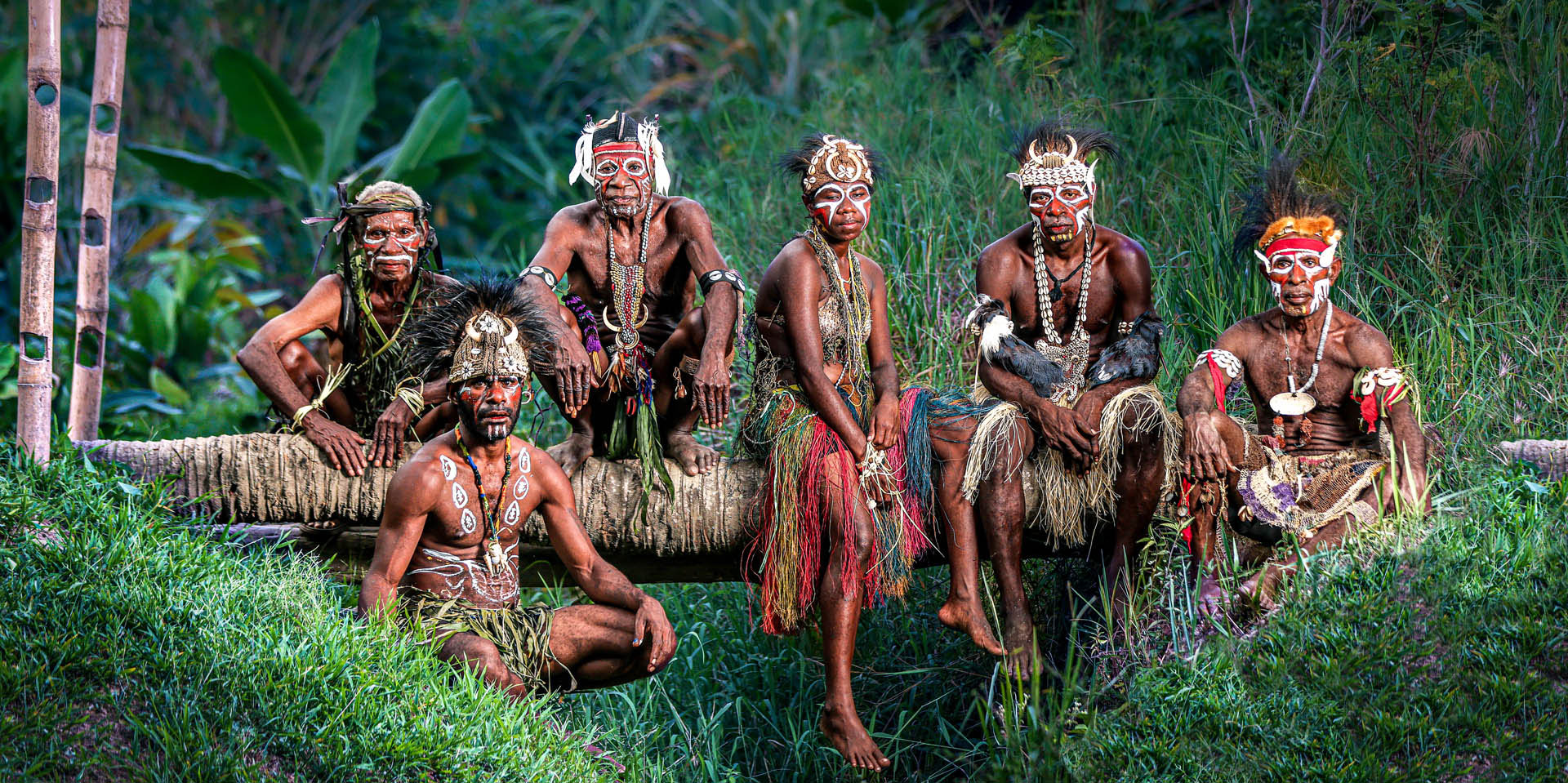
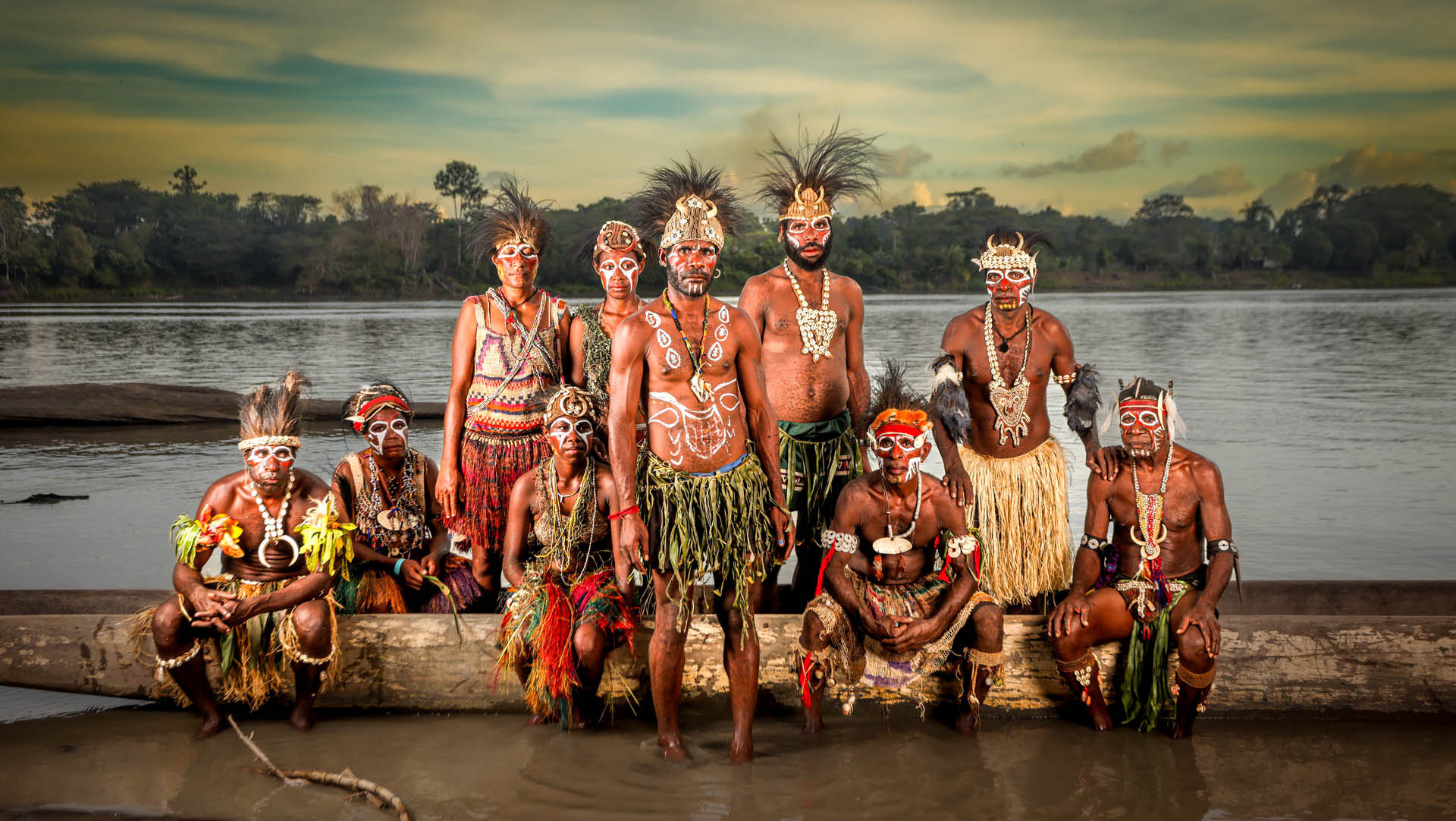
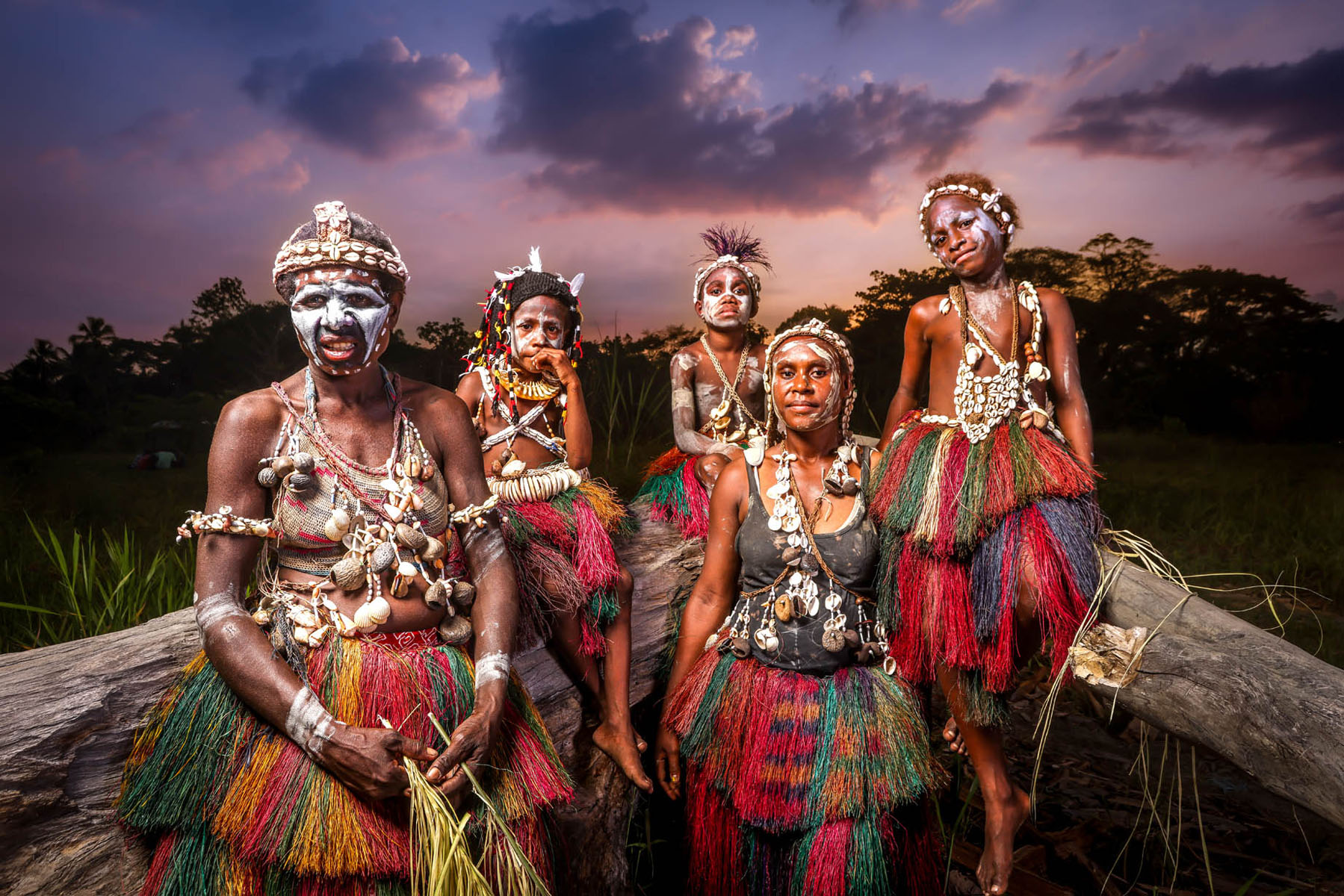
In Papua New Guinea, with its more than 800 distinct tribes, cultural expression is as diverse as the land itself. One of the most striking features of this heritage is Bilas—traditional ceremonial dress made from feathers, shells, flowers, and natural dyes. These intricate adornments are not part of daily life.Papua New Guineans wear modern clothing every day, just like people anywhere else. Bilas is reserved for special occasions—weddings, funerals, school openings, and major festivals—when communities come together to celebrate identity and ancestry. It’s similar to how Europeans wear traditional outfits for festivals, like Dirndls in Germany or costumes at Carnival in Venice. These vibrant traditions come to life during Sing Sings, gatherings where tribes perform dance, music, and rituals wearing their unique Bilas. While tourists are often drawn to these events, Sing Sings were never created for outsiders. They’ve existed for generations, long before tourism, and are deeply rooted in local life. Sing Sings help keep culture alive. They pass ancestral stories to younger generations and strengthen the bond between villages. For visitors, they offer an unforgettable glimpse into Papua New Guinea’s spirit. But for the people themselves, they’re something far more meaningful—a proud expression of identity, unity, and heritage in a changing world.
2.Traveling to Papua New Guinea is an unforgettable experience, but it is important to understand that this is not a typical luxury destination.
Our eco-lodges are located in remote areas, offering a raw, authentic, and culturally rich experience. To ensure your comfort and preparedness, please review the following key points: Basic but comfortable accommodations – Rooms are simple, clean, and newly built. Each has a private toilet and shower (except in waterfall lodge, it is shared toilet and shower.)Electricity – Power outages are common across Papua New Guinea due to the national grid. However, we operate a generator that provides electricity daily from 6:00 PM toMidnight.Water supply – Water is collected through a rainwater tank system. In rare cases where the main tank is empty, we will provide water in buckets for your needs.Hot water – Showers are usually cold, but hot water can be provided upon request so you can mix it with cold water for a more comfortable shower.Safe drinking water – Do not drink tap water or use it for brushing teeth. We provide bottled water for drinking and oral hygiene throughout your stay.
Booking & Deposit
To confirm your booking, please send an email to info@tribesofpapuanewguinea.com.
A 50% deposit is required at the time of booking. Once the deposit has been received, your reservation is confirmed. Please note that the deposit is non-refundable, but it can be credited towards participation in the following year’s expedition.
Final Balance
The remaining balance must be paid no later than 1 month prior to the start of the expedition.
Cancellations
- More than 1 month before the expedition: The 50% deposit is retained, but may be applied to the following year’s trip
- Within 1 month of departure: Cancellation incurs a penalty of 100% of all monies paid to date. No refunds will be issued.
Payment Methods
Payments may be made via international bank transfer to accounts in the EU, USA, or Thailand (Asia). We also provide account options in both Europe and the USA. For convenience, payments can also be made through WISE or REVOLUT apps. PayPal is available for credit card payments; however, please note that PayPal transactions will incur an additional 3% processing fee added to your invoice total.
All participants are strongly advised to purchase comprehensive travel insurance at the time of booking. Insurance should cover trip cancellations,
international medical emergencies, evacuation, and unexpected travel changes. As our expeditions travel through remote regions of Papua New Guinea, it is essential that you are covered in the event of unforeseen circumstances.
Responsibility & Liability Disclaimer
Tribes of Papua New Guinea and its partners will make every effort to ensure that your journey runs according to the planned itinerary. However, due to the
remoteness of the areas visited, the dependence on tribal schedules, and the limited infrastructure in Papua New Guinea, programs may be subject to change without prior notice.
We are not responsible for delays, changes, or cancellations caused by domestic airlines in Papua New Guinea. Guests should be aware that local flights are
frequently rescheduled or cancelled at short notice, and while we will assist with re-arrangements wherever possible, we cannot accept liability for additional costs incurred.
We are also not liable for cancellations or changes due to weather conditions,
political situations, natural disasters, or any other events beyond our control. Any additional expenses arising from such circumstances are the responsibility of the participant.
By booking with us, you acknowledge that you are joining an expedition in one of the most remote and culturally diverse parts of the world, and you accept the
inherent risks associated with this type of travel.
https://tribesofpapuanewguinea.com/privacy-policy-page/
Everybody who book this trip agrees to the Travel and Privacy page that you can read above.
Papua New Guinea (PNG) is one of the world’s last great frontiers — a land of rugged mountains, lush rainforests, and more than 800 distinct languages. The Highlands, where much of this journey takes place, are famous for their cool
mountain air, spectacular scenery, and some of the most vibrant tribal cultures on Earth. Life here follows the rhythm of tradition, and visitors have the rare chance to step into a world that has changed little over centuries.
We stay in comfortable local homestay guesthouses within tribal villages, each equipped with private toilets and showers. Electricity is available during most of the trip, and there is internet access at the lodges, although speeds may be limited.
Please note that power cuts can happen anywhere in PNG, so a portable power bank is highly recommended. Most accommodations have backup generators.
Mobile phone coverage is limited outside towns. For the best connection, we recommend purchasing a DIGICEL SIM card at Port Moresby Airport on arrival.
While we will do everything possible to follow the planned program, unforeseen circumstances such as weather, road conditions, or local events may require
adjustments. These changes are rare, but flexibility is important to ensure the best possible experience.
Packing & Clothing Recommendations:
- Warm clothing for the evenings, as temperatures in the Highlands can drop to 10–12°C (50–54°F).
- Lightweight breathable clothing for daytime
- Comfortable walking shoes or trekking sandals for village walks and uneven
- A light rain jacket or poncho in case of sudden
- Insect repellent, especially for lowland or river areas (mosquitoes are minimal in the Highlands during the dry season).
- Sun protection — hat, sunglasses, and
- Power bank or solar charger for charging devices during power
- Daypack for carrying water, camera gear, and personal items during
Additional Information:
- Extra cash can be exchanged at Port Moresby Airport upon
- You need a passport valid for at least 6 months from your date of entry and an approved PNG visa before There is currently no
- visa on arrival — apply in advance via Papua New Guinea Immigration. We can provide an invitation letter if
- We are not responsible for flight cancellations or delays; however, if rooms are available, we will accommodate you at no extra cost and adjust the program where possible.